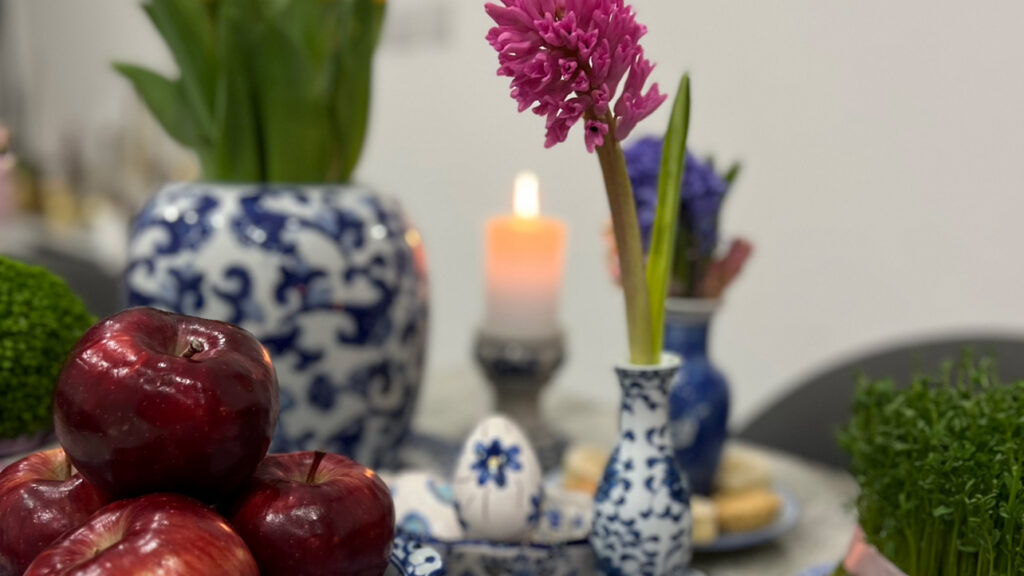
Cultural celebrations like Nowruz are an important part of the Iranian community. As Persians usher in a new year, Nowruz holidays are also a chance to spend time with family and friends.
And for Iranians living far away from home, it is a chance to remember the homeland they have not seen in years. Persians abroad come together in their communities to honour their heritage during this holiday. We will cover what Nowruz is and how Iranians in the diaspora celebrate it in this article.
Key Takeaways
- Nowruz is the Persian New Year, typically celebrated on March 20 or March 21 during the spring equinox.
- It has been celebrated for over 3,000 years and is recognised by UNESCO as an Intangible Cultural Heritage of Humanity.
- The Haft Sin table is a central part of the celebration, containing seven items beginning with the Persian letter S.
- About three hundred million people celebrate Nowruz, both in Iran and in the diaspora.
- Nowruz offers Iranians in the diaspora one of the strongest connections to their roots and cultural heritage.
What is Nowruz? The Story Behind the Persian New Year
Nowruz means new day in Persian, and it marks the spring equinox. The spring equinox occurs when the sun crosses the equator and day and night becomes equal.
Nowruz is the first day of the Persian calendar, and it is one of the oldest festivals still celebrated. The exact moment the spring equinox happens is known as the Sal Tahvil. It is calculated astronomically, and it changes every year, but it typically falls on Mar 20th or 21st.
While Nowruz is mostly associated with Iran, it’s not celebrated by Iranians only. There are an estimated 300 million people celebrating across Iran, Afghanistan, Tajikistan, Azerbaijan, parts of Turkey and Iraq, India, Pakistan, and the Central Asian republics, including Kazakhstan, Kyrgyzstan, Uzbekistan and Turkmenistan. UNESCO recognised the festival as an Intangible Cultural Heritage of Humanity in 2009.
Iranians in the diaspora consider Nowruz as something more personal. It is a yearly opportunity to pay homage to their heritage and come together as friends, family or communities to celebrate their culture.
What Does Nowruz Mean in Persian Traditions?
Nowruz carries various deeper meanings aside from the celebration of another year around the calendar.
- Renewal: Nowruz is a symbolism for renewal just as spring renews life. People often clean their homes, buy new clothes, make new resolutions, and more.
- Hope: Just as spring brings hope for new beginnings after winter, Nowruz brings new hope for life. People collectively say, “This year will be better.”
- Family: People often spend Nowruz with their families. They come together at the Haft Sin table, and the older family members bless the younger ones.
- Peace and reconciliation: Any conflicts with the family are typically settled during Nowruz. New year, new beginnings for warring friends and families.
Preparing for Nowruz: Rituals That Welcome the Persian New Year
It is common in Iranian traditions for people to prepare for the new year weeks in advance. They perform the ritual of Khaneh Tekani, which translates roughly as “shaking the house.” They deep clean every corner and empty every cupboard. They wash their windows and sort out anything in the house that needs to be sorted.
People also prepare themselves individually. They get haircuts and buy new clothes. They reconcile with people they have grudges with just so they can start the new year with a clean slate.
Even busy professionals in the diaspora participate in this preparation. Many Iranians take off days just to have enough time to prepare themselves physically and mentally for the new year. They cook and prepare Haft Sin tables, no matter how small.
Chaharshanbe Suri: The Fire-Jumping Tradition Before Nowruz
The Chaharshanbe Suri (fire-jumping) happens on the last Wednesday eve before Nowruz. People prepare small fires and then take turns jumping over them. As they jump, they chant, “Zardi-ye man az to, sorkhi-ye to az man,” which translates roughly as “my yellowness to you, your redness to me.”
This is a poetic activity. Yellowness refers to the pale colour of skin, and it is being traded for the warmth of the fire. The dullness and tiredness of the old year are dropped in the fire, and the flames give vitality instead.
The Iranian diaspora community typically hold a community Chaharshanbe Suri in parks or other public spaces in their cities. I remember attending one of these gatherings in a park with a group of Iranian friends here in Los Angeles. Someone had brought a small portable fire pit since open flames weren’t really an option, but everyone still took turns jumping over it.
The Haft Sin Table: Seven Symbols at the Centre of Nowruz
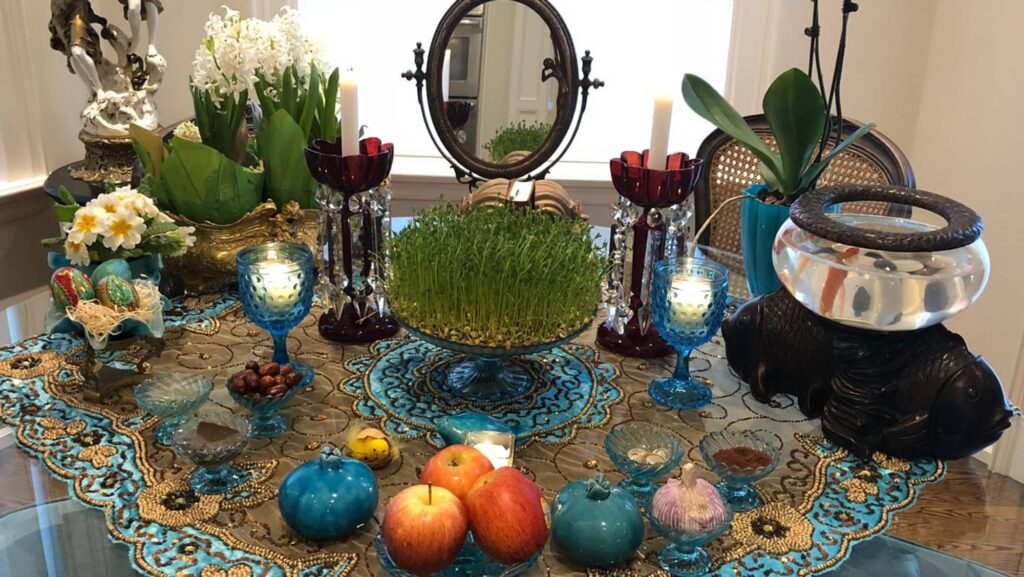
This is an important part of the Iranian New Year. Every Nowruz celebration has a Haft Sin table (translates as the seven S table). This table is symbolic as it holds seven items beginning with the Persian letter S:
- Sabzeh: Sprouts grown from wheat or lentils, which stand for new life.
- Samanu: A sweet pudding which stands for abundance and fertility.
- Senjed: A dried oleaster fruit which symbolises love.
- Seer: Garlic as a symbolism for health and healing.
- Seeb: Apples, which stand for beauty and health.
- Somagh: Sumac, which represents the color of the sun and patience.
- Serkeh: Vinegar, representing the wisdom that comes with age.
These are the standard items found on a Haft Sin table, but many families add other items as they wish. They may add:
- A mirror, standing for reflection
- Candles, standing for light and warmth
- Goldfish, representing movement and life
- Painted eggs as a symbolism for fertility
- Coins, for prosperity
- A beloved book like the Quran, for Muslim families or the poetry of Hafez for secular ones.
Sal Tahvil: The Moment the Persian New Year Begins
The Sal Tahvil is the precise moment when the Sun crosses the celestial equator, travelling from south to north. Families are often prepared for it, all gathered around the Haft Sin table in their new clothes.
The moment the Sal Tahvil, people exchange pleasantries by kissing hands, saying prayers for one another, hugging one another, and exchanging gifts.
Nowruz is a public holiday in Iran, but for Iranians in the diaspora, it can fall on a school or work day. Many people arrange to be free at this time by skipping school or taking time off at work. When they can’t free up the time, they typically hop on video calls with their friends and families at the exact moment of the Sal Tahvil.
The 13 Days of Nowruz: One of the Most Cherished Iranian Holidays
Nowruz takes a total of 13 days to unfold. During the first days, there are family visits where the younger family members visit the older ones. Guests are served tea and sweets alongside conversations.
Children receive Eidi from their parents, grandparents, uncles and aunties. Children in the diaspora also receive gifts from older family members. It can be in-person if they live in the same city, or online transfers with heartfelt voice notes.
Sizdah Be-Dar: How Nowruz Ends on the 13th Day
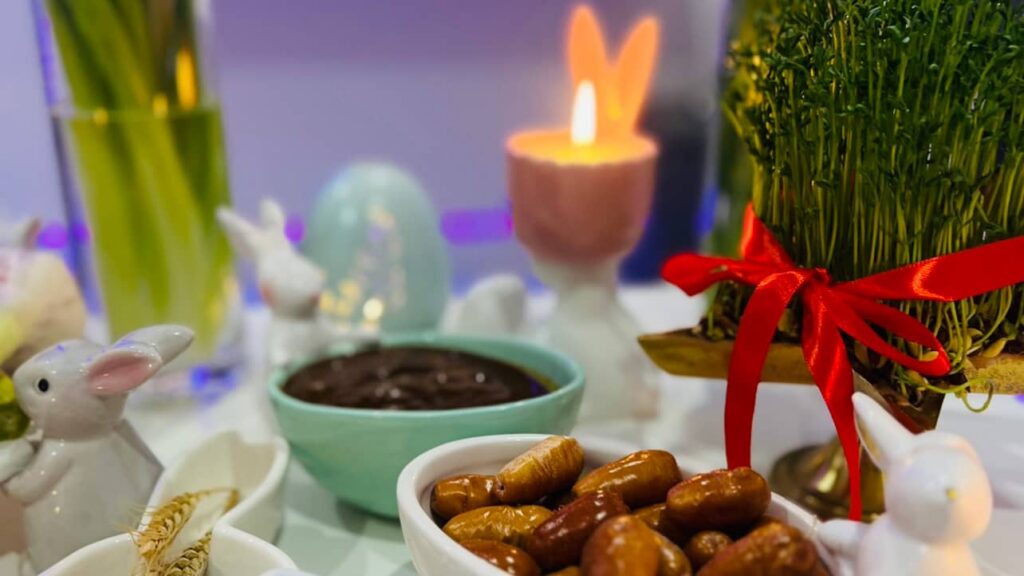
The Sizdah Be-Dar is the 13th and final day of Nowruz. It is traditionally believed that staying indoors on this day brings bad luck, so most people spend the day picnicking. This is typically a large community event in major diaspora cities like Los Angeles and Düsseldorf.
Another popular Iranian tradition tied to this day is throwing the Sabzeh from the Haft Sin table into running water. This symbolises throwing away last year’s misfortune. Some Persian singles also tie sprouts together, wishing for partners in the coming year.
Nowruz in the Diaspora: Keeping Iranian Traditions Alive Abroad
Persians living abroad tend to take Iranian festivals like Nowruz very seriously. These festivals remind them of their homeland, and they use them to keep ties to the country, especially when they are unable to visit.
During Nowruz, big community events are held in major Iranian diaspora cities like Los Angeles, Toronto, Vancouver, London, Stockholm, Berlin, Frankfurt, Düsseldorf, Sydney and many more. These events always have hundreds of Iranians in attendance, and there’s plenty of food, drinks, laughter, dancing, and more. They can also be an opportunity for Persian singles to meet potential partners for dating and serious relationships.
Some other Persians living abroad may prefer a small, intimate family gathering instead. They have familiar faces around the Haft Sin table, where they teach younger ones about keeping cultural identity alive.
Nowruz and Community: How the Persian New Year Brings People Together
Nowruz has a history of bringing luck to Iranians seeking potential partners. There are extended family members present, conversations happen, and introductions sometimes follow naturally.
Single people know this, too. Iranian festivals like Nowruz are typically where most Iranian singles in a city are gathered. They are often open to introductions and conversations that can become something serious.
Nowruz season can give you the following if you’re open to meeting someone:
- High visibility within the community because everyone and their mother is out for the celebration.
- Shared cultural contexts with potential matches because it’s a cultural event.
- Easy avenues to meet someone’s family without feeling forced or awkward.
- Unforgettable experiences.
In Short
Nowruz is an important holiday in Persian traditions, and it remains so even in the diaspora. It is an opportunity for Iranians abroad to remember where they come from.
Frequently Asked Questions
When is Nowruz celebrated?
Nowruz is celebrated on the spring equinox, usually on March 20 or March 21. The exact moment is known as Sal Tahvil, and it is calculated astronomically, so it changes each year slightly.
What is the Haft Sin table?
The Haft Sin table is important to the New Year tradition. It carries seven symbolic items with names starting with the letter “S”:
● Sabzeh
● Samanu
● Senjed
● Seer
● Seeb
● Somagh
● Serkeh
Some families include other items like a mirror, candles, goldfish, coins, painted eggs and a beloved book on the Haft Sin table.
Is Nowruz a religious holiday?
Nowruz is more of a cultural holiday than a religious one. It predates many modern religions, and Iranians of different faiths celebrate it.
How do Iranians abroad celebrate Nowruz?
Diaspora Iranians often set up a Haft Sin at home and gather with their families physically or by video call at the moment of Sal Tahvil. They also come together to create a large community event in their city to celebrate the festival, and end the period with a picnic on Sizdah Be-Dar.
Does KIBAKI have Nowruz features?
The app puts local Nowruz gatherings front and centre in the Events section, and you can invite someone to one of them in a couple of taps.
Make this Nowruz the year you meet someone, or simply find your local Iranian community