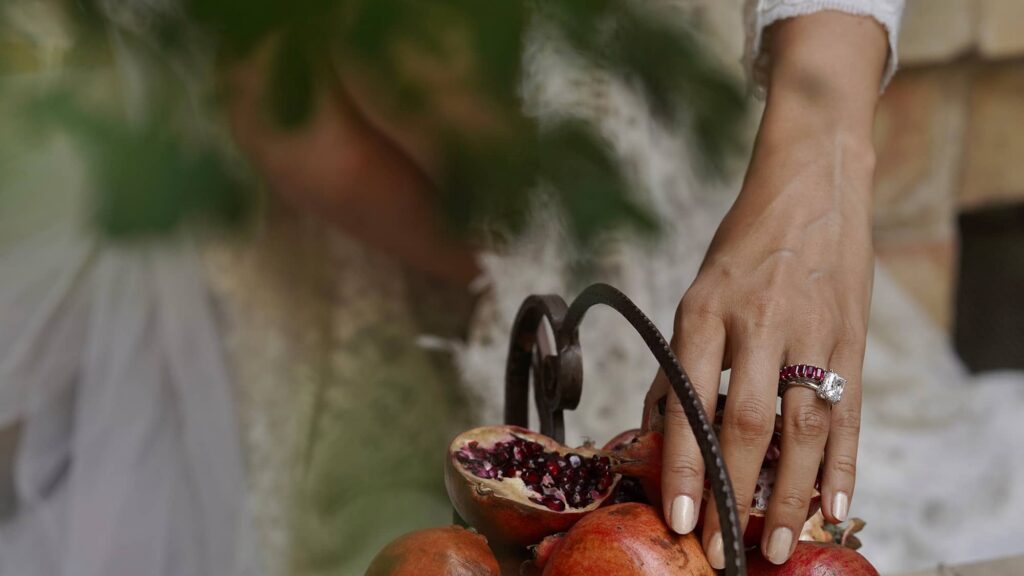
Iranians living abroad know what it means to come from a strong cultural heritage and live in countries with modern dating norms.
Today, Iranian communities can be found across Europe, North America, Australia and many other parts of the world. As a result, dating among Iranians abroad often involves balancing cultural heritage with the social norms of the countries they now call home.
How do you explain Taarof to someone who comes from a culture where communication is more direct?
How do you explain the concept of Khastegari to someone who doesn’t have the cultural context?
In a nutshell, this is what the Iranian diaspora dating experience is.
Here, you’ll learn more about Iranian dating culture and how diaspora couples find their balance.
Key Takeaways
- Family, language, hospitality, and a courtship tradition called Khastegari all influence Iranian dating
- Modern Iranians, especially those abroad, balance both Iranian dating traditions and contemporary norms such as equality, communication, and consent.
- Iranians use Taarof (the art of polite indirectness) when dating and expressing affection.
- The Iranian diaspora consists of both religious and secular individuals, which makes compatibility around values and cultural compatibility important for them.
- Persian dating apps can help users find partners with similar values and cultural orientation.
Family at the Heart of Iranian Dating Culture
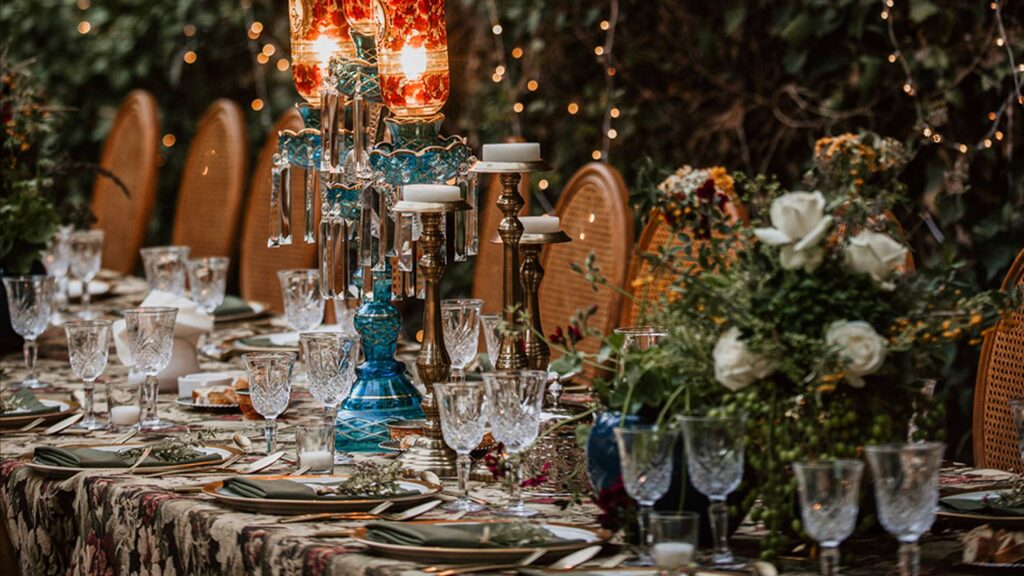
Iranians consider the family an important unit. In Persian culture, there are the grandparents, uncle, aunties, cousins, and family friends having a close bond with one another.
So, when two Persian singles start a serious relationship, their families typically come together as a network. The first time you take someone home, there are questions and subtle assessments from everyone.
Many people are not used to this, especially if they are raised in individualist Western societies. But for people raised in or near Iran, this is often a natural process.
Khastegari: The Tradition of Formal Courtship
Khastegari is a traditional Persian dating ritual where families make a formal introduction with the intent of marriage. When two people become serious about getting married, the family of the man pays a formal visit to the woman’s family. They discuss intentions, family values, and the future of the couple-to-be.
The woman’s family might accept the proposal immediately, ask for time, or politely decline.
This meeting typically comes with food and drinks, which shows the Iranian culture of hospitality. The woman’s family will serve their guests fruits and tea as they have conversations, and everyone remains respectful even when the answer is no. Khastegari has now evolved in the Iranian diaspora dating culture. Some couples
don’t do it at all, while some observe it as a casual dinner where the families meet. Many do a casual version of the same intention.
No matter what it looks like today, Khastegari has the same importance, which is to signify that a relationship is now serious enough for families to be involved.
How Iranians Express Romance: From Hafez to Daily Life
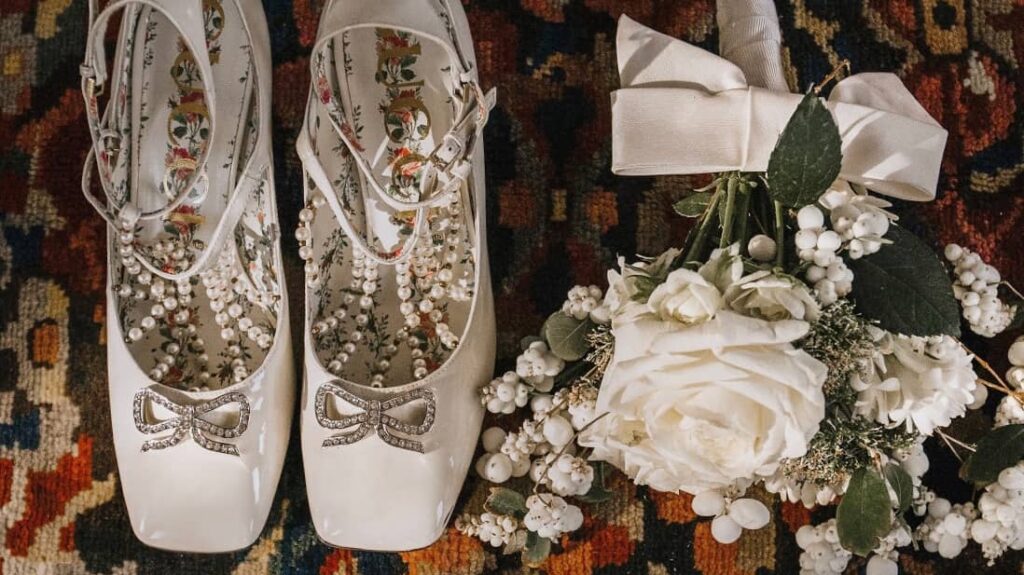
Romance in Iran is poetic, and language itself is a tool of love. It involves flowery use of language, a tradition that dates back thousands of years. Iranians often use works of famous poets like Hafez, Rumi, Saadi, and Forough Farrokhzad to express affection.
The weight behind many Persian terms of endearment often gets lost in translations. Words like “Jaanam” (my soul), “Azizam” (my dear), and “Omram” (my life) carry a warmth that English words can not replicate.
Grand gestures are also appreciated in Iranian relationships. Visible expressions of care like bringing your partner flowers, buying them a gift, or planning a thoughtful date are not seen as over the top.
But at the same time, the quiet affection is also appreciated. Love can be expressed in a cup of hot tea prepared exactly the way your partner likes it, or supporting your partner’s career even when they are on the verge of giving up on their dreams. Both sides of this are equally the Iranian way of being romantic.
Taarof and the Dance of Intention
Taarof is another dating culture common among Iranians. It refers to politely refusing something you actually want, while expecting the other person to offer again. In dating, this creates a graceful back-and-forth. A man offers to pay for dinner. The woman declines at first. He insists. She accepts with a smile. This pattern can also be seen when someone is offering to help or when making plans.
Iranians are typically fluent in the art of Taarof. They know that “No, thank you.” can mean “Ask me again.” But for someone from another culture dating an Iranian, it can create confusion. A non-Iranian partner might take the first “no” literally and stop there.
I’ve seen this play out firsthand once. When my friend brought his German girlfriend to dinner, the host offered her dessert. She passed on the offer, but the host brought it anyway. She seemed genuinely confused because she was sure he heard her. My friend had to explain that she needed to pass on at least two more times.
Situations like this have taught many younger Iranians abroad to mix Taarof with more direct speech. They know when the politeness applies and when to just say what they mean.
The Engagement Phase: Bale Boroon and Namzadi
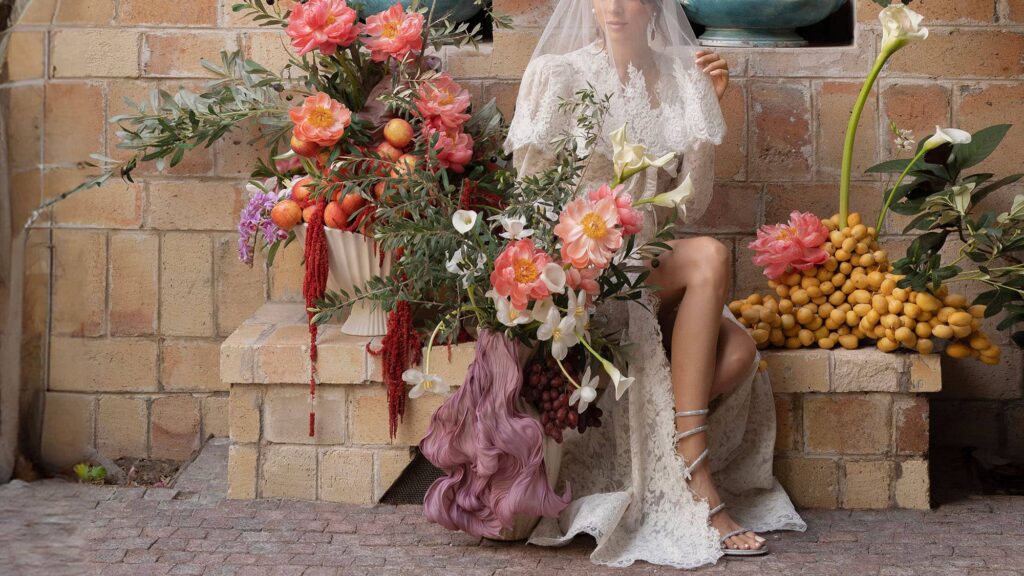
In Persian dating traditions, there is a moment between dating and marriage known as the engagement phase. The Bale Boroon is the period after the bride’s family accepts the groom’s family’s proposal and makes the match publicly known. The engagement period that follows is called Namzadi.
The couple becomes recognised as partners during Namzadi. They have more freedom to spend time together, and affection in public becomes more accepted. Many use this period to plan the wedding and prepare for their life together after the wedding. Namzadi for Iranians in the diaspora can be treated similarly to a Western
engagement or more traditionally. The engagement can also last months or even years, depending on the family.
Faith, Secular Life, and Everything in Between
Iran has diverse cultures and religions, and so does the diaspora. The religious practices include:
● Practising Muslims (Shia and Sunni),
● Secular Iranians who grew up Muslim but no longer practise,
● Bahá’ís,
● Iranian Christians,
● Zoroastrians, and
● Iranian Jews.
We also have people who are somewhere in between, where they practice the rituals of a religion but don’t fully follow the doctrine. Religious differences have practical effects on dating among Persian singles. It shapes their views on alcohol, modesty, physical contact before marriage, attending family religious events, fasting during Ramadan, and so on. Two people who practise different religions may be compatible in every other way, and still need to have an honest conversation about what they each need. There is no single right way to do this. Different couples often just find what works for them.
Modern Iranian Dating: Tradition Meets Contemporary Life
Modern dating realities have had a big influence on Iranian dating worldwide. Here are some of the ways Iranian dating has evolved, especially in the diaspora:
- Dating apps and online introductions are now common, especially among younger generations.
- Gender roles have reduced. Women initiate more often, and men respect partners with careers and ambitions.
- Some couples choose to live together before marriage in more secular families.
- Direct communication about feelings and boundaries has become more
- valued alongside the older customs of politeness.
This doesn’t erase tradition. It just shows that tradition is no longer something Iranians follow without question. It is something they do choose deliberately.
The Iranian Wedding: The Culmination
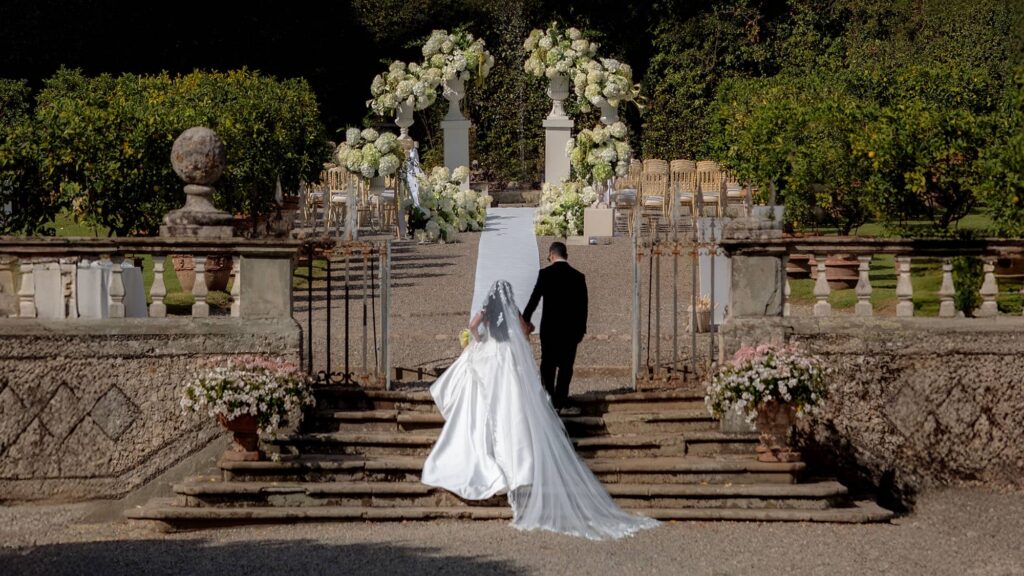
Iranian weddings follow a detailed process that typically goes as follows:
● Aghd: This is the marriage ceremony itself. It is held on a decorated table with items including a mirror and candles, sweet pastries, sugar cones, eggs and pomegranates. These items symbolise blessings for the couple’s new life together.
● Aroosi: This is the reception. It is typically large, with hundreds of guests. There’s Persian food, music, and plenty of dancing that lasts well into the night.
● Mehrieh: Here, the groom makes a financial commitment to the bride. It is usually agreed upon before the marriage, typically in the form of gold coins, property, or another form of clear value. It belongs to the bride regardless of
what happens in the marriage later. Diaspora weddings often blend these parts of the wedding culture. You might see a Persian DJ playing alongside a Western band in London, or an Iranian-Italian menu in Düsseldorf.
Generations Within the Diaspora
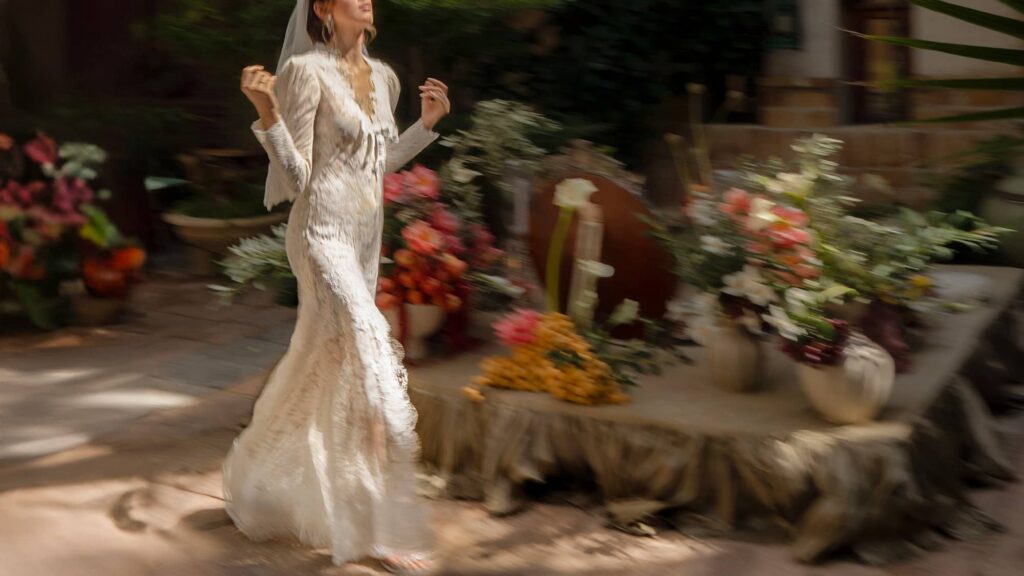
Different generations of Iranians in the diaspora approach dating differently. First-generation Iranians often have a strong sense of tradition, having arrived abroad with their Iranian experiences fully formed. Second-generation Iranians grew up between two worlds. By the third generation, many feel more at home in the
country they were born in than in Iran itself.
These differences create different dating expectations. A first-generation woman might hope for clear marriage intentions early on. A third-generation man might prefer a slower, more casual start. This is an example of why cultural fit matters as much as chemistry in Iranian dating. Being Iranian in the diaspora is a spectrum.
Finding Your Own Balance
There isn’t one correct way to build an Iranian relationship in 2026. What matters is having two people who respect where they came from, are honest about what they want, and are willing to build a relationship that honours tradition without being trapped by it.
Iranian dating culture places value on family, language, hospitality, and the kind of love that shows up in daily actions. Persian dating apps like KIBAKI are built to give Iranians abroad, looking for a partner who already understands this context, a place to start.
Frequently Asked Questions
Khastegari refers to the official visit from a man’s family to the family of a woman he intends to marry to propose. During the meeting, the families discuss values, plans and the futures of their children. The woman’s family may accept the proposal, decline or ask for more time. In the diaspora, Khastegari tends to be more modern and less formal.
Taarof is the Iranian practice of polite indirectness, where someone may decline what they actually want, expecting it to be offered again. It shapes how couples communicate early in the relationship and how affection is expressed. An Iranian might decline a kind gesture or an offer to help at first, expecting their partner to offer
again.
Some Iranians abroad still follow Persian dating traditions, while some do not. Many Iranians in the diaspora incorporate parts of the Iranian dating culture with the modern dating norms of the countries they live in.
Family is usually central in Iranian relationships. Some couples involve families closely and early. Others are more independent, especially those born and raised in Western societies.
A Persian dating app offers filters built around language, cultural connection, and lifestyle, so members can easily meet other Iranians whose cultural preferences match their own.
Iranian dating culture may look different across countries due to factors like the specific culture of each country, generation and personal values. For instance, there may be stronger family expectations on Iranians in Dubai compared to those in Toronto or Stockholm. But the core cultural values of family, hospitality, and
meaningful connection typically stay constant.
Tired of explaining your culture on every first date? KIBAKI connects Iranians
who already understand Khastegari, Taarof, and the way you grew up.